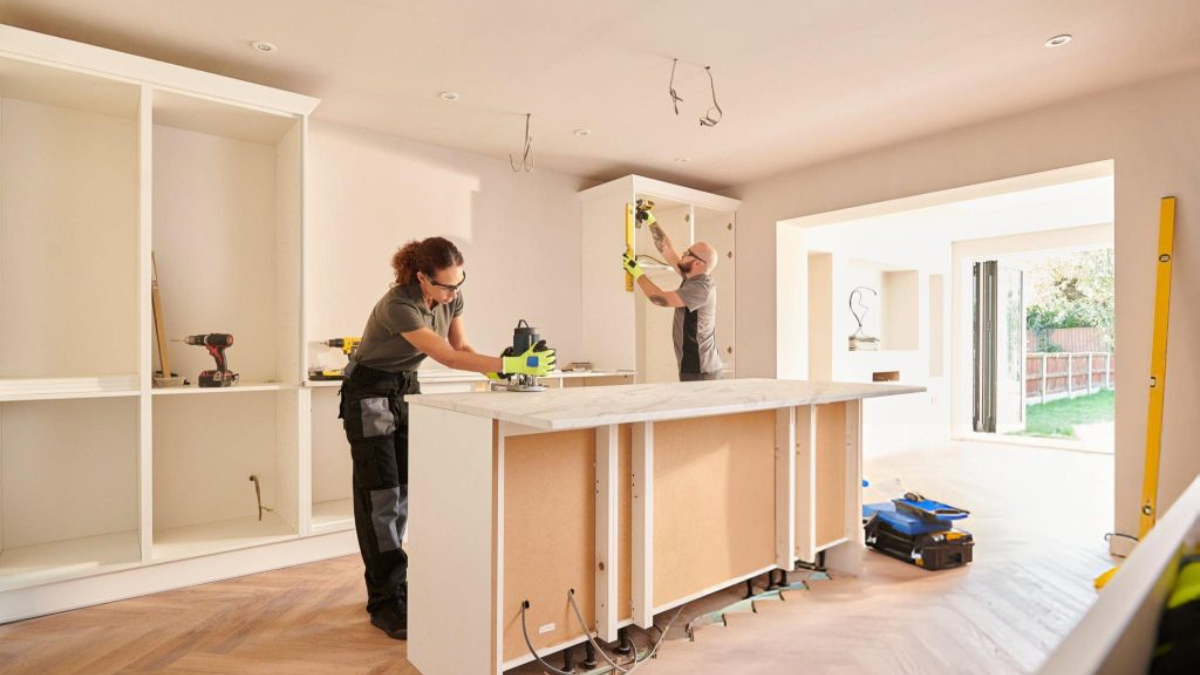
A kitchen renovation is one of the most rewarding home improvement projects, but it can also become one of the most expensive when costs spiral beyond expectations. Many homeowners begin with a rough estimate only to discover that hidden expenses, design changes and overlooked details significantly increase the final bill.
Understanding the most common kitchen renovation cost mistakes before work begins can help you make informed decisions and protect your budget. A well-planned renovation balances style, practicality and financial control, allowing you to create a space that adds long-term value without unnecessary spending.
Failing to Set a Realistic Budget
Many renovation projects start with an optimistic budget that only accounts for visible items such as cabinets, worktops and appliances. Unfortunately, the total cost often includes labour, plumbing alterations, electrical upgrades, flooring, decorating and waste disposal, all of which can substantially increase the final figure.
A practical budget should also include a contingency fund. Most professionals recommend reserving around 10–20% of your overall budget for unexpected issues. Older properties, in particular, may reveal hidden pipework problems, damaged flooring or outdated wiring once work begins.
Taking time to research average local prices allows you to create more accurate estimates before requesting quotations from contractors. Comparing several detailed quotes also helps identify unrealistic pricing that could lead to additional charges later.
Choosing the Cheapest Contractor Instead of the Best Value
It is tempting to accept the lowest quotation, especially when renovation costs already feel significant. However, the cheapest contractor may exclude essential work, use lower-quality materials or charge additional fees throughout the project.
A reputable kitchen installer should provide a detailed written quotation explaining exactly what is included. Ask about labour costs, material specifications, project timelines and any possible additional charges before signing a contract.
Checking customer reviews, viewing previous projects and confirming insurance cover can prevent costly problems later. Paying slightly more for an experienced professional often delivers better workmanship, fewer delays and lower maintenance costs over the years.
Ignoring Careful Planning Before Work Begins
Changing layouts after construction has started is one of the quickest ways to increase renovation costs. Relocating plumbing, moving electrical points or replacing previously ordered materials can create unnecessary labour expenses and project delays.
Investing extra time in the planning stage usually saves both money and frustration. Detailed measurements, appliance selections and layout decisions should all be finalised before installation begins.
If you’re budgeting a kitchen remodel, creating a complete cost breakdown before approving any work makes it much easier to identify areas where savings can be made without sacrificing quality or functionality.
Overlooking Material Quality and Long-Term Value
Many homeowners focus solely on reducing initial costs without considering long-term durability. Cheap cabinets, low-quality worktops or budget flooring may seem attractive initially but often require repairs or replacement much sooner than higher-quality alternatives.
Selecting materials should balance affordability with expected lifespan. Quartz worktops, quality laminate flooring and solid cabinet hardware often provide excellent value because they remain attractive and functional for many years.
Some areas deserve greater investment than others. For example:
- Cabinets should withstand daily use for years.
- Worktops need to resist scratches, moisture and stains.
- Sink fittings benefit from durable construction.
- Lighting should combine efficiency with practical task illumination.
- Flooring must handle heavy foot traffic and spills.
Prioritising quality in high-use areas often reduces future maintenance and replacement costs.
Forgetting Hidden Renovation Expenses
The visible elements of a kitchen renovation usually represent only part of the overall project cost. Many homeowners are surprised by expenses that were never included in their original estimates.
Common hidden costs include:
- Electrical rewiring
- Plumbing adjustments
- Plaster repairs
- Structural modifications
- Waste removal
- Building regulation compliance
- Temporary cooking arrangements
- Delivery charges
Even small changes can affect multiple trades. Moving a sink, for example, may require plumbing, electrical work, flooring repairs and additional cabinetry adjustments.
Preparing for these possibilities before construction starts creates a more realistic financial plan and reduces the likelihood of unpleasant surprises.
Prioritising Appearance Over Practical Design
Beautiful kitchens often attract attention online, but not every design suits everyday family life. Oversized islands, fashionable open shelving or decorative finishes may look impressive while offering limited practicality.
An effective kitchen design supports daily routines. Storage should be easily accessible, work surfaces should provide adequate preparation space and appliances should fit naturally within the overall layout.
Think about how your household actually uses the kitchen rather than copying trends. Families who cook regularly may value generous worktops and pantry storage more than decorative features that contribute little to functionality.
Practical planning also helps reduce future renovation costs because well-designed kitchens typically remain useful for many years without requiring major alterations.
Conclusion
Avoiding common kitchen renovation cost mistakes starts with careful planning, realistic budgeting and informed decision-making. Every stage of the project, from selecting contractors to choosing materials, plays a role in controlling costs while delivering lasting quality.
A successful renovation is rarely about spending the most money. Instead, it comes from making thoughtful choices that balance appearance, durability and functionality. With a clear budget, reliable professionals and a well-planned design, you can create a kitchen that meets your needs while keeping unnecessary expenses firmly under control.