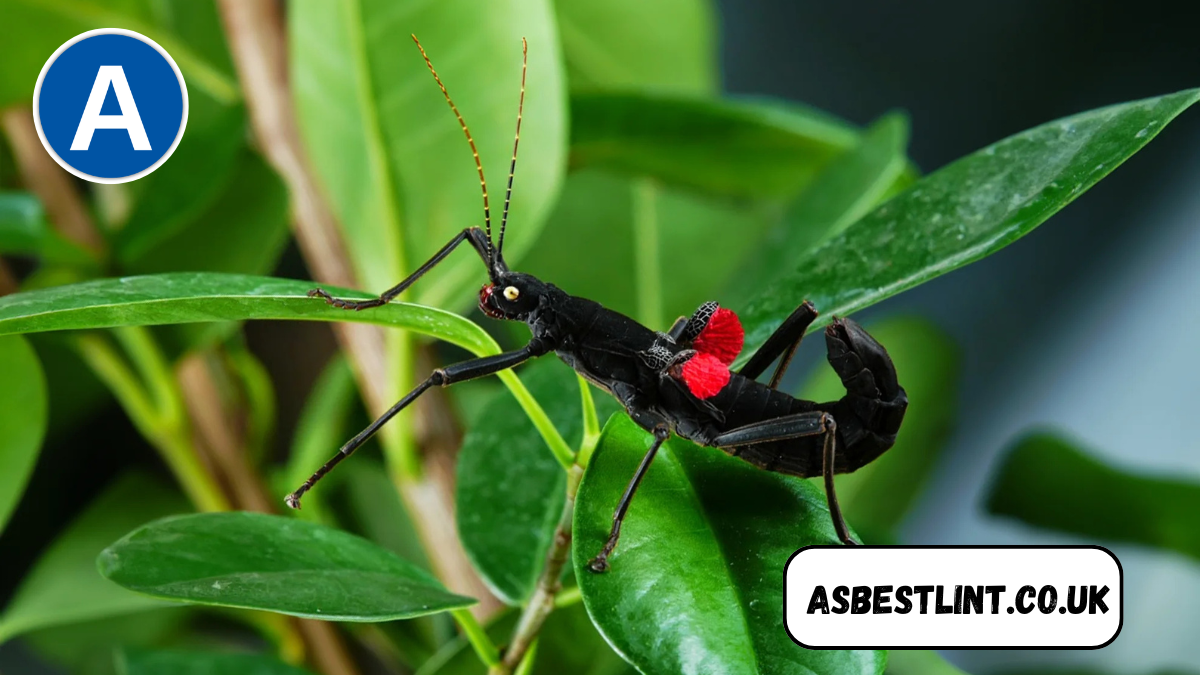
The black beauty stick insect is one of the most captivating and unusual insects kept by enthusiasts in the UK. Its striking velvety black body, bright yellow eyes, and vivid red hind wings make it instantly recognisable. Native to a small region in northern Peru, the black beauty stick insect has become increasingly popular in captivity due to its rarity, fascinating behaviours, and unique physical appearance, making it a highly sought-after species for exotic insect collections.
Known scientifically as Peruphasma schultei, the black beauty stick insect is not only admired for its beauty but also for its intriguing defensive adaptations. When threatened, it can release a pungent defensive spray and flash its red wings to startle predators. Despite these dramatic survival strategies, this species remains generally calm and easy to care for when provided with appropriate conditions, making it a perfect candidate for responsible UK insect keepers.
Natural History and Origin of the Black Beauty Stick Insect
The natural habitat of the black beauty stick insect is confined to the Cordillera del Cóndor mountain range in northern Peru. This remote area features dry forest and shrubland, where the species feeds on native shrubs and leaves. The black beauty stick insect was only formally described in the early 2000s, highlighting its rarity. Due to its limited distribution, conservation awareness is vital, and captive breeding helps to reduce pressure on wild populations while supporting ethical ownership in the UK.
In the wild, the black beauty stick insect demonstrates fascinating behavioural patterns, including nocturnal feeding and cautious movement to avoid predators. Its adaptation to a specific environment makes it a species that requires careful attention in captivity to replicate natural conditions and promote healthy growth and longevity.
Appearance and Unique Features of the Black Beauty Stick Insect
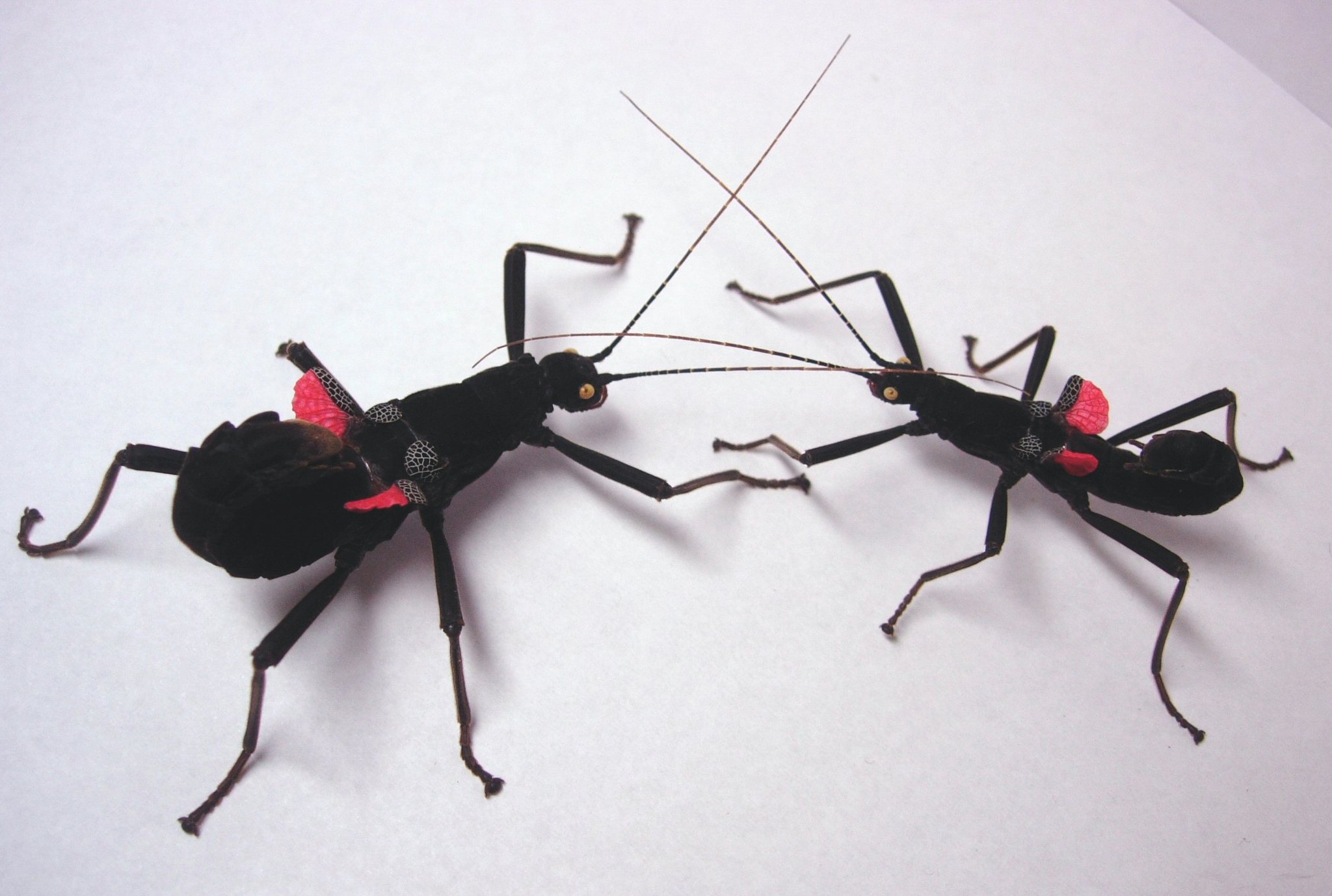
The black beauty stick insect is renowned for its unique physical features. Its body is a deep, velvety black, creating a striking contrast with its bright yellow eyes. The red hind wings remain hidden until the insect feels threatened, at which point a sudden flash deters predators. Sexual dimorphism is visible, with females larger and more robust than males. This insect also possesses a chemical spray used for defence, an adaptation that makes it one of the most remarkable stick insects available in captivity.
The black beauty stick insect’s appearance is complemented by its smooth, glossy exoskeleton and slender limbs, making it an elegant species to observe. Its size, posture, and distinctive defensive features add to its uniqueness, appealing to both beginner and experienced insect enthusiasts in the UK.
Black Beauty Stick Insect Care and Enclosure Requirements
Proper black beauty stick insect care requires a suitable enclosure that mimics natural conditions as closely as possible. A tall, well-ventilated tank is ideal, providing ample vertical space for climbing and moulting. Branches and foliage should be secured to allow natural behaviour, while substrate should be slightly moist but clean to prevent mould. Maintaining stable humidity and monitoring temperature are essential for promoting healthy growth and reducing stress in black beauty stick insects.
Lighting should be indirect, and the enclosure should avoid direct sunlight, which can overheat the insect. Providing a mix of climbing surfaces and resting spots allows the black beauty stick insect to behave naturally, improving its overall well-being and longevity in captivity.
Black Beauty Stick Insect Diet and Food Choices
Diet plays a key role in the health of the black beauty stick insect. In the UK, suitable black beauty stick insect food includes privet, honeysuckle, and Aucuba japonica. Fresh leaves should be pesticide-free and replaced regularly to ensure proper nutrition. Observing feeding habits helps identify preferences, while providing a variety of safe leaves ensures the insect receives all necessary nutrients. A well-fed black beauty stick insect will thrive, grow consistently, and display more vibrant colours.
Hydration is equally important. While black beauty stick insects absorb water from leaves, occasional misting helps maintain humidity and supports healthy moulting. Avoid overwatering to prevent fungal growth and maintain a clean enclosure environment.
Black Beauty Stick Insect Spray and Defensive Behaviour
One of the most intriguing aspects of the black beauty stick insect is its defensive spray. This chemical can cause mild irritation to the skin or eyes, serving as a deterrent against predators. In captivity, gentle handling and minimal disturbance reduce the likelihood of the insect using this spray. Understanding this defensive behaviour is important for all keepers, as it demonstrates the evolutionary adaptations that have allowed the black beauty stick insect to survive in the wild.
The spray is a natural survival mechanism and is rarely harmful to humans. Appreciating this behaviour helps keepers respect the insect’s natural instincts while safely interacting with it in a controlled environment.
Black Beauty Stick Insect Lifespan and Life Cycle
The lifespan of the black beauty stick insect typically ranges from twelve to eighteen months, though females often live slightly longer than males. The life cycle begins with eggs, which are laid on the substrate in the enclosure. After several months, tiny nymphs hatch and begin feeding immediately, resembling miniature adults. Providing consistent environmental conditions, a proper diet, and minimal stress ensures that each stage of the black beauty stick insect’s life cycle proceeds smoothly and healthily.
During the nymph stage, the black beauty stick insect undergoes multiple moults, gradually developing into a full-grown adult. Monitoring nymph growth and enclosure conditions is crucial for survival, as young insects are particularly sensitive to environmental changes.
Breeding and Black Beauty Stick Insect Egg Care
Breeding the black beauty stick insect can be a rewarding aspect of keeping this species. Mating often involves males remaining attached to females for extended periods. Once mating is complete, females lay small, seed-like eggs onto the substrate. Black beauty stick insect egg care involves placing them in a slightly moist, ventilated container to prevent desiccation. Eggs may take several months to hatch, and careful attention to humidity and temperature is essential for successful nymph emergence.
Caring for eggs ensures high hatching success rates. Avoiding direct sunlight, providing gentle airflow, and maintaining moderate humidity creates an optimal environment. Patience is necessary, as incubation periods vary depending on temperature and other environmental factors.
Buying Black Beauty Stick Insect for Sale UK
For enthusiasts searching for black beauty stick insect for sale UK options, it is vital to purchase from reputable breeders who prioritise captive breeding and ethical practices. Captive-bred black beauty stick insects are more adaptable to enclosure life, healthier, and reduce pressure on wild populations. Before purchasing, ensure that food plants are readily available and that the enclosure is fully prepared. Responsible ownership is key to keeping this stunning species thriving in the UK.
Researching breeders and confirming ethical sourcing not only protects wild populations but also ensures that the black beauty stick insect you acquire is robust, healthy, and suited to captivity. Knowledgeable breeders also provide guidance on diet, enclosure setup, and care.
Conclusion
The black beauty stick insect is one of the most extraordinary and unique stick insects available to UK enthusiasts. From its striking appearance to its fascinating defensive behaviour and manageable care requirements, it represents a rare opportunity to keep a truly remarkable insect species. Ethical sourcing, careful attention to diet and enclosure, and understanding its life cycle are essential for anyone considering black beauty stick insect ownership in the UK.
This species offers both educational and aesthetic value, making it an excellent choice for enthusiasts interested in exotic invertebrates. With proper care, the black beauty stick insect thrives, providing a captivating glimpse into the fascinating world of stick insects.
Frequently Asked Questions
What do black beauty stick insects eat in captivity?
They typically feed on privet, honeysuckle, and Aucuba japonica leaves, which should be fresh and pesticide-free.
How long does a black beauty stick insect live?
The black beauty stick insect generally lives between twelve and eighteen months, with females often living slightly longer.
Is the defensive spray harmful?
The spray can cause mild irritation, but gentle handling reduces the likelihood of it being used and it is not typically dangerous.
Can beginners keep black beauty stick insects?
Yes, with the right research, enclosure, and diet, black beauty stick insects can be suitable for beginners interested in exotic insects.
How long do black beauty stick insect eggs take to hatch?
Eggs may take several months to hatch, depending on environmental conditions, including humidity and temperature.
Also Read: where is horsham