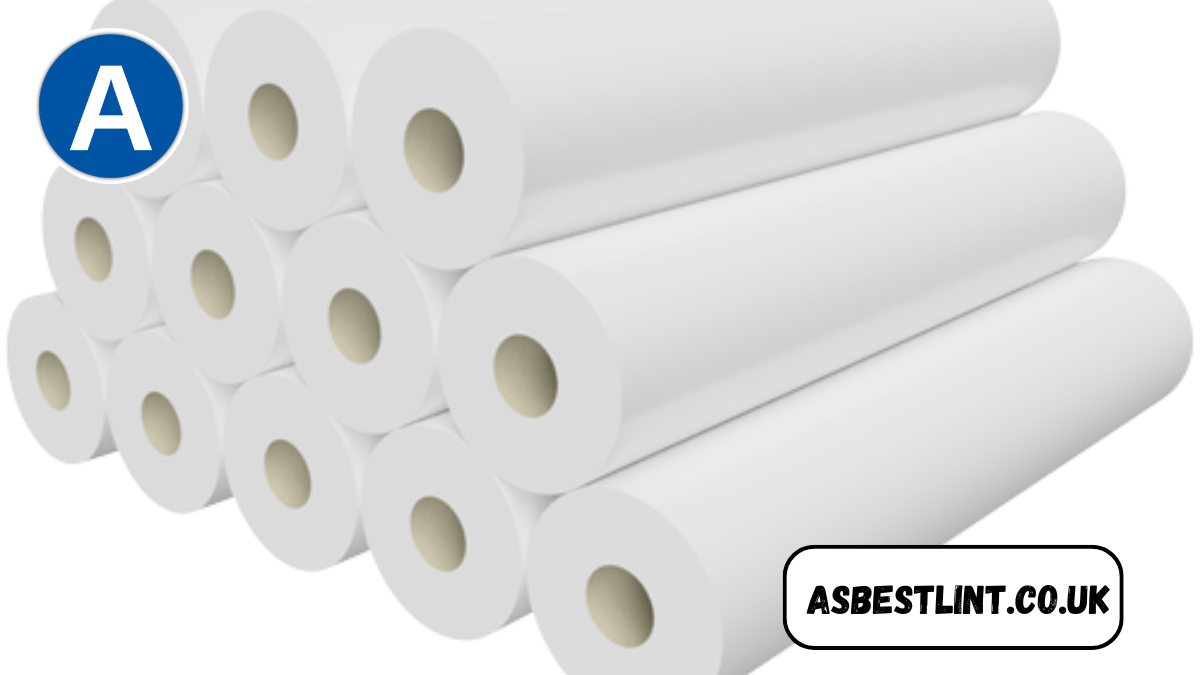
Paper filter material is a widely used solution for filtration across laboratories, industrial processes, and food and beverage applications. Its primary role is to separate solid particles from liquids or gases effectively, providing a reliable, low-cost, and versatile filtration option. The material’s porous structure allows fluids to pass while trapping unwanted particles, making it indispensable in both professional and everyday settings.
The importance of paper filter material cannot be overstated, especially in modern applications where precision and hygiene are crucial. From chemical analysis in laboratories to fuel and air filtration in industry, this material ensures efficiency and consistency. In addition, it offers environmental benefits due to its biodegradable composition. This article explores the composition, types, manufacturing process, properties, and applications of paper filter material in detail.
What is Paper Filter Material
Paper filter material is a specially designed porous paper that acts as a barrier, preventing solids from passing through while allowing liquids or gases to flow freely. Its structure consists of densely packed cellulose fibres that create microscopic channels, ensuring the retention of fine particles. Depending on the type and thickness, paper filter material can be used for general filtration or highly precise laboratory applications.
The functionality of paper filter material relies on mechanical and absorptive properties. Particles are trapped within the fibre network, while clean fluid flows through. Unlike synthetic or metal filters, paper filter material is cost-effective and environmentally friendly, making it a preferred choice for routine and specialised filtration tasks. Its adaptability allows it to be customised for specific needs, including different pore sizes, flow rates, and chemical resistance.
Composition of Paper Filter Material
The primary component of paper filter material is cellulose fibre, which is sourced from wood pulp or cotton linters. These natural fibres form a network of channels that facilitate efficient filtration. Additional substances such as resins or binding agents may be added to enhance wet strength, ensuring that the paper retains its integrity during use, even in demanding conditions.
The structure of paper filter material determines its performance. Tightly packed fibres provide fine filtration for applications that require precision, while loosely packed fibres allow higher flow rates for faster separation. Because it is made from natural sources, paper filter material is biodegradable and environmentally sustainable. This makes it an ideal choice for organisations and industries seeking eco-friendly filtration options without compromising efficiency.
Types of Paper Filter Material
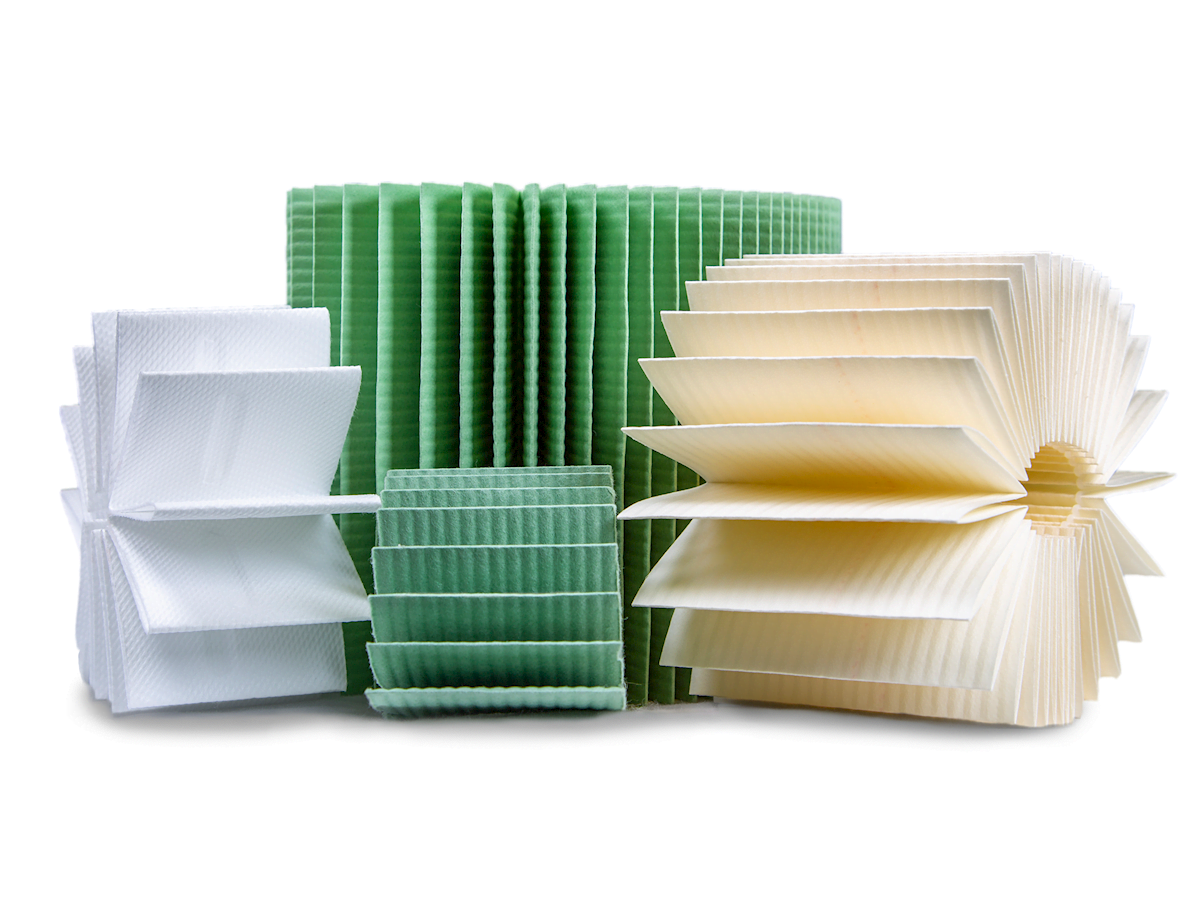
There are several types of paper filter material designed for specific purposes. Qualitative filter paper is commonly used in laboratories for general tasks, providing reliable particle retention at a moderate flow rate. Quantitative filter paper, often ashless, is used for gravimetric analysis, ensuring accurate chemical measurements without contaminating the sample.
Hardened filter paper is treated to resist acids, alkalis, and high-pressure conditions, making it suitable for industrial processes. Glass fibre filter paper, on the other hand, is designed for high-temperature applications or when filtering highly fine particles. Selecting the correct paper filter material depends on the intended use, as each type is optimised for specific properties, including strength, particle retention, and chemical resistance.
Manufacturing Process of Paper Filter Material
The production of paper filter material begins with selecting high-quality raw materials such as wood pulp or cotton fibres. These materials are cleaned, processed into a pulp, and then spread into thin sheets. This process ensures even distribution of fibres, which is essential for consistent filtration performance across the sheet.
After sheet formation, the paper is pressed and dried, often treated with resins or other agents to enhance durability and wet strength. The final sheets are cut into various sizes and shapes depending on the intended application. Rigorous quality control ensures that the paper filter material meets standards for thickness, pore size, and strength, guaranteeing reliable performance in both laboratory and industrial settings.
Key Properties of Paper Filter Material
Porosity is one of the most important properties of paper filter material, as it determines how effectively particles are retained. Smaller pores enable finer filtration, while larger pores allow higher flow rates, depending on the application. The balance between flow and retention is crucial for optimal performance.
Other essential properties include thickness, tensile strength, chemical resistance, and wet strength. High-quality paper filter material maintains its structural integrity even when exposed to moisture or reactive chemicals. These features ensure that the material remains reliable under demanding conditions, whether in a laboratory, industrial plant, or food processing facility.
Applications of Paper Filter Material
Paper filter material is widely used in laboratories for separating solids from liquids in chemical analysis and research experiments. It is placed in funnels or filtration setups to provide clean, particle-free samples, ensuring precise measurements. Its reliability and affordability make it a standard tool for scientists and researchers.
Beyond laboratory use, paper filter material is extensively used in industrial applications such as air, fuel, and oil filtration. It also plays a significant role in the food and beverage industry, including coffee preparation and liquid processing. Its versatility allows it to meet the needs of diverse sectors, offering consistent performance across different filtration challenges.
Advantages and Limitations
The advantages of paper filter material include its affordability, wide availability, and biodegradability. It is easy to use, disposable, and environmentally sustainable. Its natural composition and simple design allow it to provide effective filtration for both routine and specialised tasks.
However, paper filter material also has limitations. It is less durable than synthetic alternatives and can be susceptible to moisture or certain chemical exposures. Despite these drawbacks, its benefits often outweigh its limitations, especially for applications requiring cost-effective, efficient, and environmentally friendly filtration solutions.
How to Choose the Right Paper Filter Material
Choosing the appropriate paper filter material depends on the intended application. Factors such as pore size, chemical compatibility, flow rate, and strength must be considered. Laboratory applications may require fine filtration with precise particle retention, while industrial processes may prioritise durability and high throughput.
Cost is also an important consideration. High-grade paper filter material may offer superior performance but at a higher price. Understanding the specific requirements of the application ensures that the selected paper filter material delivers optimal results while remaining cost-effective and reliable.
Future Trends in Paper Filter Material
Innovation in paper filter material focuses on sustainability, performance, and versatility. New fibre sources and eco-friendly manufacturing techniques are being explored to reduce environmental impact while maintaining efficiency. Research is also focused on producing stronger, more durable filters capable of handling demanding industrial conditions.
As global demand for clean air, water, and food increases, paper filter material will continue to evolve. Advanced filtration technologies and improved fibre compositions are likely to make it even more efficient, environmentally friendly, and adaptable, ensuring its continued relevance in laboratories, industry, and daily life.
Conclusion
Paper filter material remains a crucial component in filtration across a wide range of industries. Its simplicity, affordability, and effectiveness make it a reliable choice for laboratory, industrial, and food-related applications. By understanding its types, composition, properties, and applications, users can make informed decisions to achieve optimal filtration outcomes.
As industries increasingly prioritise efficiency and sustainability, paper filter material will continue to play an important role in meeting filtration demands. With ongoing innovations in manufacturing and material design, its relevance and usefulness are set to grow even further in the coming years.
FAQs
What is paper filter material made of?
Paper filter material is made from cellulose fibres, usually from wood pulp or cotton, sometimes with resins for strength.
What are the main types of paper filter material?
The main types are qualitative, quantitative, hardened, and glass fibre filter papers.
How does paper filter material work?
It traps solid particles in its porous structure while allowing liquids or gases to pass through.
Where is paper filter material commonly used?
It is used in laboratories, industrial filtration systems, and the food and beverage industry.
Is paper filter material environmentally friendly?
Yes, it is biodegradable and made from natural, sustainable materials.
How do I choose the right paper filter material?
Choose based on application, pore size, chemical compatibility, flow rate, and cost.
Can paper filter material be used for air filtration?
Yes, certain types are designed specifically for industrial and commercial air filtration.
Also Read: stonebridge island