Fort Burgoyne Dover is a captivating historical landmark nestled in Guston, just north of Dover Castle in southeast England. Originally built in the 1860s as part of the Palmerston Forts network, this impressive fort was designed to protect the vital port of Dover from potential French invasion. Today, Fort Burgoyne Dover attracts visitors keen to explore its unique military architecture, historical significance, and scenic surroundings, including the iconic White Cliffs of Dover.
The fort’s strategic location allowed it to command sweeping views of the surrounding landscape, including the bustling port and nearby countryside. Over time, Fort Burgoyne Dover has transformed from a military stronghold into a cultural and heritage site, offering educational programmes, guided tours, and seasonal events. Visitors can enjoy a mix of historical discovery, natural beauty, and community engagement, making the fort a must-see destination when exploring Dover and its surroundings.
The History of Fort Burgoyne Dover
Fort Burgoyne Dover, originally known as Castle Hill Fort, was constructed between 1861 and 1868. Its creation was part of a broader national strategy to strengthen Britain’s coastal defences during a period of political tension with France. The fort’s polygonal design, featuring detached eastern and western redoubts, wide ditches, and strategically placed caponiers, demonstrates the innovative military engineering of the 19th century. Fort Burgoyne Dover stands as a testament to Victorian defence planning and the country’s commitment to protecting critical ports.
Although Fort Burgoyne Dover never faced direct combat, its presence played a crucial role in ensuring the security of Dover and its strategic harbour. During the 20th century, the fort saw various military uses, including storage and training. In 2014, The Land Trust took ownership and, alongside the White Cliffs Countryside Partnership, began restoration and preservation efforts. Today, Fort Burgoyne Dover is recognised as a Scheduled Ancient Monument, highlighting its enduring historical and cultural significance in the region.
Visiting Fort Burgoyne Dover Today
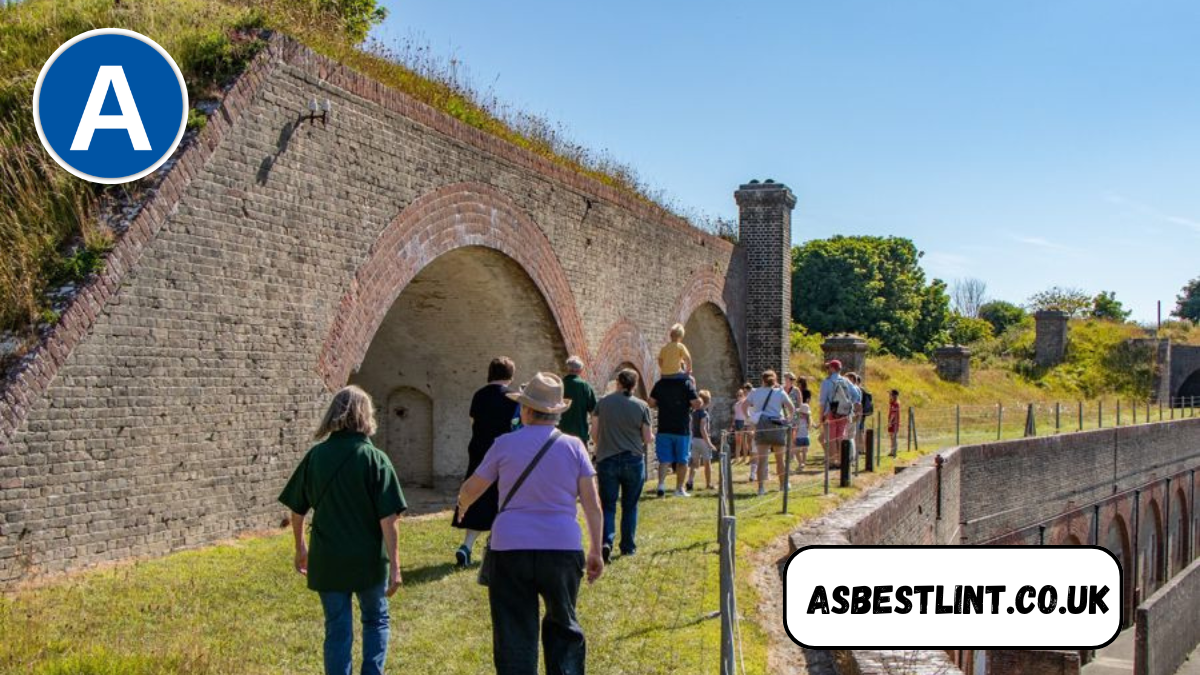
Today, Fort Burgoyne Dover offers a rich visitor experience, combining history, architecture, and natural scenery. The fort is accessible to the public through guided tours, open days, and educational programmes, providing insight into its original defensive purpose and its role within Britain’s coastal fort network. Visitors can explore the fort’s walls, ditches, and caponiers while learning about the lives of soldiers stationed there and the fort’s contribution to national security.
Fort Burgoyne Dover is family-friendly and caters to a wide audience, including history enthusiasts, school groups, and photographers. Seasonal events, such as heritage days, educational workshops, and themed tours, offer engaging opportunities to discover the fort’s past. The surrounding countryside and viewpoints provide excellent opportunities for walking, photography, and enjoying the natural beauty of the White Cliffs of Dover. Visiting Fort Burgoyne Dover is both an educational and recreational experience.
Things to See and Do Near Fort Burgoyne Dover
The area around Fort Burgoyne Dover is rich in attractions that complement a visit to the fort. Dover Castle, located just south of the fort, is one of the UK’s most famous castles, with its medieval architecture, underground tunnels, and historical exhibits. Visitors can combine a trip to Fort Burgoyne Dover with a tour of Dover Castle for a full historical experience. The White Cliffs of Dover, another nearby attraction, provide breathtaking panoramic views and walking trails suitable for all ages.
Within Fort Burgoyne Dover itself, visitors can explore the fort’s polygonal walls, ditches, and defensive structures, each reflecting 19th-century military ingenuity. Guided tours and special events allow guests to gain a deeper understanding of the fort’s role and the lives of those who served there. Photography enthusiasts will appreciate the combination of historic architecture and natural scenery. The surrounding area, including the port of Dover and the countryside, offers additional exploration opportunities, making Fort Burgoyne Dover a complete historical and leisure destination.
Planning Your Trip to Fort Burgoyne Dover
Planning a visit to Fort Burgoyne Dover is straightforward, with access by car or public transport from Dover town centre. On-site parking is available, and the fort is designed to be accessible for most visitors. To make the most of the trip, it is recommended to combine a visit to Fort Burgoyne Dover with Dover Castle and the White Cliffs of Dover, creating a full day of historical and natural exploration.
For first-time visitors, guided tours provide invaluable context, explaining the fort’s history, architecture, and strategic importance. Seasonal events and exhibitions offer additional insights and activities suitable for families and school groups. Whether visiting for history, photography, or leisurely exploration, Fort Burgoyne Dover is a destination that combines education and recreation, ensuring that every visitor leaves with a deeper appreciation of Britain’s military heritage and the stunning natural surroundings.
Preservation and Community Engagement at Fort Burgoyne Dover
Fort Burgoyne Dover is not only a historical landmark but also a thriving community project. Recent restoration work has focused on preserving key features of the fort while making it accessible and safe for the public. Volunteers and local groups play a significant role in maintaining the site, demonstrating a strong community connection to this important heritage location.
Educational programmes at Fort Burgoyne Dover allow children, students, and visitors to engage directly with history. Heritage days, guided walks, and workshops provide opportunities for interactive learning. Community events highlight the cultural significance of the fort and ensure that Fort Burgoyne Dover remains a living landmark rather than a static monument. This combination of preservation, education, and community engagement makes the fort a model for heritage management in the UK.
Conclusion
Fort Burgoyne Dover offers a rare opportunity to explore Victorian military architecture, rich history, and stunning natural scenery in one location. Its proximity to Dover Castle and the White Cliffs of Dover makes it an ideal destination for families, history enthusiasts, and tourists. Visiting Fort Burgoyne Dover allows guests to experience guided tours, walking trails, and seasonal events while gaining a deeper appreciation of Britain’s defensive heritage. This remarkable fort continues to inspire and educate, standing as a symbol of Dover’s strategic and cultural importance.
FAQs
What is Fort Burgoyne Dover and why was it built?
Fort Burgoyne Dover is a 19th-century Palmerston fort built to defend Dover and its port from potential invasion.
How do I get to Fort Burgoyne Dover from Dover town centre?
You can reach Fort Burgoyne Dover by car, bus, or a short taxi ride from the town centre.
Are guided tours available at Fort Burgoyne Dover?
Yes, Fort Burgoyne Dover offers guided tours and special heritage events throughout the year.
Is Fort Burgoyne Dover suitable for families and children?
Absolutely, Fort Burgoyne Dover is family-friendly with educational activities and walking trails.
Can I combine a visit to Fort Burgoyne Dover with Dover Castle?
Yes, both sites are nearby and can easily be explored on the same day.
Is there an entrance fee to visit Fort Burgoyne Dover?
Fort Burgoyne Dover is free to visit, though some special tours or events may have a small fee.
What events or exhibitions take place at Fort Burgoyne Dover?
Fort Burgoyne Dover hosts heritage days, guided walks, workshops, and seasonal exhibitions.
What is the best time of year to visit Fort Burgoyne Dover?
Spring and summer are ideal for visiting Fort Burgoyne Dover due to better weather and outdoor events.
Also Read: eposse cheese