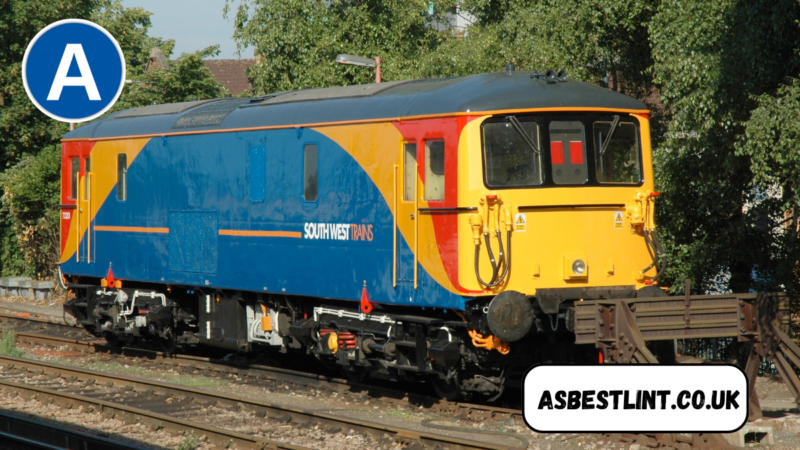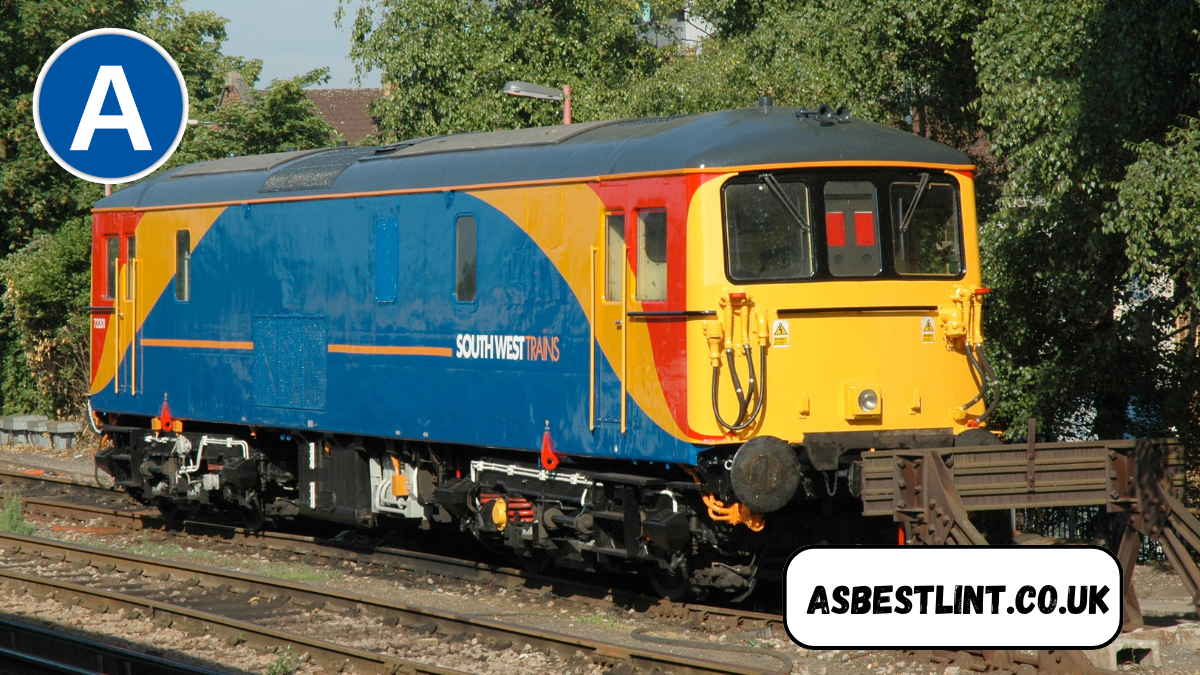
The class 73 locomotive is one of the most remarkable creations in British railway history, renowned for its hybrid electro-diesel technology. Unlike conventional locomotives, the class 73 can operate on both the Southern Region’s third rail electric system and its onboard diesel engine. This flexibility made it ideal for routes that were only partially electrified, providing reliable service in varied conditions.
Over the decades, the class 73 has earned a reputation for versatility and longevity. Its innovative dual power system allowed operators to reduce dependency on multiple types of locomotives, saving both time and operational costs. For railway enthusiasts and historians alike, the class 73 represents a perfect balance of engineering ingenuity and practical design.
History and Development of Class 73
The development of the class 73 locomotive began as part of the British Rail Modernisation Plan in the 1950s, aiming to replace steam engines with more efficient traction methods. Built primarily at Eastleigh Works and Vulcan Foundry, these locomotives were introduced to serve both passenger and freight operations in the Southern Region. Their design quickly set them apart from other locomotives due to their hybrid capabilities.
Initially, the class 73 operated alongside conventional electric locomotives, but its ability to switch to diesel made it invaluable for routes without electrification. Over time, it became a workhorse of British Rail, hauling everything from commuter services to freight trains. Even after privatisation, operators continued to value its reliability and adaptability, demonstrating the class 73’s long-term relevance.
How the Electro-Diesel System Works
The class 73’s electro-diesel system allows seamless operation between electric and diesel power. On electrified tracks, the locomotive draws energy from the 650/750V DC third rail, providing efficient and powerful traction suitable for fast passenger and heavy freight services. This electric mode minimises emissions and reduces fuel costs, making it ideal for urban and commuter routes.
When electric power is unavailable, the class 73 automatically switches to its diesel engine. Although the diesel output is lower than the electric mode, it provides sufficient power to continue operations without delay. This hybrid design enables the locomotive to perform duties across fully electrified and non-electrified lines, which has contributed to its continued use on the modern UK rail network.
Technical Specifications and Performance

In terms of performance, the class 73 demonstrates impressive capabilities. The Bo-Bo wheel arrangement ensures smooth handling and stability at high speeds, while its compact design allows it to navigate tighter curves and complex routes. Electric mode provides high power output, making it suitable for heavy passenger services like the Gatwick Express.
Diesel mode, while less powerful, allows flexibility in operational areas without electrification. The locomotive weighs around 77 tons and features robust braking systems for safety and efficiency. Its enduring mechanical reliability, combined with ease of maintenance, has ensured that the class 73 remains a dependable asset for operators more than half a century after its introduction.
Variants and Subclasses, Including Class 73/9
Several variants of the class 73 have been produced to meet evolving operational demands. Early models, including the 73/0 and 73/1 subclasses, were standard in Southern Region services. These locomotives earned a reputation for reliability and adaptability, capable of performing mixed-traffic duties with minimal downtime.
The class 73/9 represents a modernised subclass with upgraded engines and enhanced performance features. These locomotives have been refurbished for contemporary operations, ensuring compliance with modern railway safety and efficiency standards. Today, the 73/9 remains a vital component in freight and engineering services, showing how the class 73 continues to adapt to the changing needs of UK railways.
Operators and Modern Usage
British Rail originally operated the class 73 across Southern Region networks. Its hybrid capabilities made it an essential tool for both passenger and freight services. Following privatisation, several private companies, including GBRf and Network Rail, continued to use these locomotives due to their versatility and reliability in mixed traffic operations.
In modern service, the class 73 is deployed in passenger trains, engineering support, and rescue operations. Its ability to switch seamlessly between diesel and electric modes allows it to tackle sections of track with partial electrification. This operational flexibility ensures the class 73 remains an indispensable part of the UK railway system even today.
Class 73 and the Caledonian Sleeper
The class 73 has played a notable role in hauling the Caledonian Sleeper, one of the UK’s most iconic overnight services. Its dual-mode operation allows the train to traverse both electrified and non-electrified sections without interruptions. This adaptability ensures passengers enjoy a reliable journey while reducing operational delays.
On long-distance services, the class 73’s robust design and hybrid system prove essential. It can handle heavy loads over varied terrain, providing the perfect combination of power, efficiency, and resilience. Enthusiasts often note that its contribution to sleeper services highlights the class 73’s continued relevance in modern rail travel.
Famous Services and Routes
The class 73 is closely associated with some of the UK’s most recognised services. It became iconic on the Gatwick Express, where it efficiently hauled airport passenger trains between London Victoria and Gatwick Airport. Its ability to perform reliably under tight schedules earned it a lasting reputation.
Beyond passenger services, the class 73 has also been deployed for freight and engineering operations. It can operate across a variety of routes, demonstrating its versatility. Its consistent performance over decades has solidified its place as one of Britain’s most dependable and widely recognised locomotives.
Liveries Through the Years
Over its long history, the class 73 has featured numerous liveries reflecting ownership and operational changes. Early British Rail blue designs gave way to InterCity and Gatwick Express branding, each marking different eras of service. Enthusiasts often celebrate these liveries for their historical significance and visual appeal.
Modern liveries, including GBRf and Network Rail schemes, continue to preserve the class 73’s legacy while highlighting contemporary branding. Each repainting tells a story, documenting the evolution of UK railways and the locomotive’s enduring presence across generations.
Model Railways and Collectibles
The class 73 is highly popular in the model railway community. Manufacturers like Hornby, Dapol, and Accurascale have created detailed models replicating the locomotive’s design and liveries. Collectors and hobbyists appreciate the accuracy, mechanical detail, and historical significance of these models.
Model versions allow enthusiasts to recreate famous services like the Gatwick Express or Caledonian Sleeper. Beyond aesthetics, they educate younger generations about UK railway history. This interest ensures the class 73’s legacy continues both on the rails and in miniature form.
Why the Class 73 Remains Relevant Today
Despite being over half a century old, the class 73 remains relevant due to its adaptability and reliability. Its hybrid system anticipates modern dual-mode technology, providing lessons for sustainable and flexible railway operations. Operators still rely on it for diverse roles, from passenger services to infrastructure work.
The locomotive’s longevity is a testament to British engineering. Even as modern high-speed trains dominate the network, the class 73 continues to perform niche roles efficiently. Its continued presence proves that innovative design and versatility can allow a locomotive to remain indispensable for decades.
Conclusion
The class 73 locomotive embodies a remarkable combination of history, engineering, and practicality. Its ability to operate on both electric and diesel power allowed it to tackle a range of railway challenges across the UK. From commuter services to sleeper trains, its versatility has secured a lasting legacy in British railway heritage.
For railway enthusiasts and historians, the class 73 represents more than just a locomotive; it is an enduring symbol of innovation and reliability. Its hybrid design and continued operational relevance highlight the foresight of British engineering, making the class 73 an iconic and celebrated part of UK railways.
FAQs
What is a class 73 locomotive used for? – The class 73 is used for passenger services, freight duties, and engineering operations, with dual-mode capability for varied electrification.
Is the class 73 still in service today? – Yes, many class 73 locomotives remain operational with operators like GBRf and Network Rail across the UK.
What makes the class 73 unique? – The class 73 is unique because it can switch seamlessly between electric and diesel power for full or partial electrification.
What is the class 73/9 variant? – The class 73/9 is a modernised subclass with upgraded engines and enhanced features for improved performance and efficiency.
Can class 73 locomotives run without electricity? – Yes, the onboard diesel engine enables the class 73 to operate on non-electrified routes, making it highly versatile.
Also Read: cheriton bishop devon