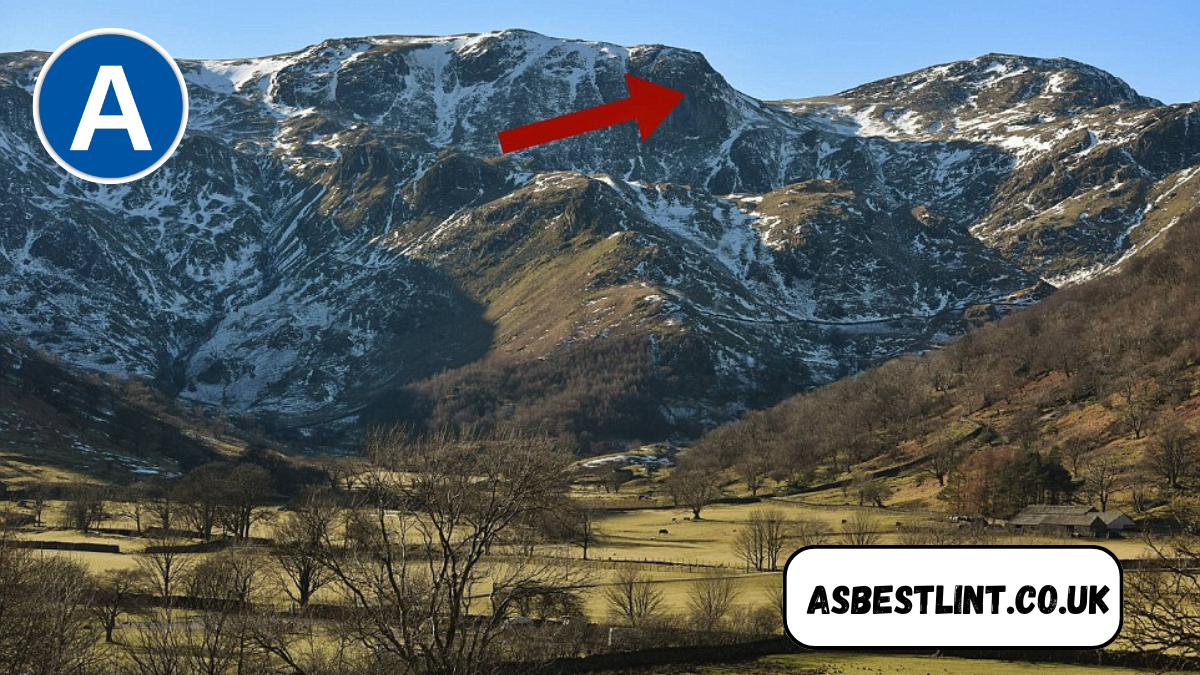
Dove Crag is a striking fell in the Lake District that captures the imagination of walkers seeking both beauty and adventure. Rising above the peaceful valley of Dovedale, it offers a blend of dramatic rocky slopes, sweeping ridgelines, and breathtaking views that stretch across some of England’s most iconic landscapes. For many outdoor enthusiasts, Dove Crag represents a perfect balance between challenge and accessibility, making it a favourite among hikers exploring the Eastern Fells.
What truly sets Dove Crag apart is its variety of experiences. From scenic walking routes to the intriguing Priest Hole cave nestled within its craggy face, the area provides more than just a summit climb. Whether you are planning a leisurely day walk or a more demanding circular route, Dove Crag delivers a memorable journey filled with natural beauty, history, and rewarding viewpoints.
Where is Dove Crag?
Dove Crag is located in Cumbria within the Lake District National Park, specifically among the Eastern Fells. It sits between the valleys of Dovedale and Deepdale, forming part of a dramatic landscape that attracts walkers from across the UK. Its proximity to Ambleside and Patterdale makes it easily accessible, while still offering a sense of escape from busier tourist spots.
It is important to note that Dove Crag should not be confused with similarly named locations, such as Dove Crag in Northumberland. The Lake District fell is the most well-known and is recognised for its height of 792 metres and its inclusion in Alfred Wainwright’s famous guidebooks. This distinction ensures that walkers seeking Dove Crag are rewarded with one of the region’s most scenic and satisfying hikes.
Dove Crag Walk Routes
There are several routes to explore when planning a Dove Crag walk, each offering a different perspective of the surrounding landscape. One of the most popular options begins from Ambleside, leading walkers through picturesque valleys before gradually ascending towards the crag. This route provides a steady challenge and is ideal for those who want to experience a mix of terrain without committing to a full-day expedition.
Another highly regarded route is the Fairfield Horseshoe, a longer circular walk that includes Dove Crag as part of a broader ridge hike. This option is more demanding but offers exceptional panoramic views and a sense of achievement upon completion. For those looking for a shorter adventure, routes leading to Priest Hole offer a unique experience, combining exploration with manageable walking distances.
Dove Crag Map and Navigation

Proper navigation is essential when exploring Dove Crag, as the terrain can be rugged and paths are not always clearly marked. Carrying a reliable map, such as an Ordnance Survey map, is strongly recommended, along with a compass or GPS device for added security. Being familiar with key landmarks can help prevent confusion, especially in poor visibility.
Weather conditions in the Lake District can change rapidly, making navigation even more important. Walkers should always plan their route in advance and allow extra time for unexpected challenges. By preparing thoroughly and staying aware of your surroundings, you can ensure a safe and enjoyable experience on Dove Crag.
The Priest Hole Cave
One of the most fascinating features of Dove Crag is the Priest Hole cave, a natural rock shelter tucked into the mountainside. This unique spot has a long history, with tales suggesting it was once used as a refuge. Today, it attracts walkers who are curious to explore its rugged charm and enjoy the stunning views from its elevated position.
Reaching the Priest Hole requires careful navigation and a steady approach, as the path can be steep and uneven in places. While the cave offers an unforgettable experience, visitors should take precautions, especially in wet or windy conditions. Proper footwear and a cautious mindset are essential to safely enjoy this remarkable feature of Dove Crag.
Dove Crag Summit Experience
Reaching the summit of Dove Crag is a rewarding moment that makes the effort worthwhile. From the top, walkers are treated to expansive views that include Windermere, Ullswater, and the surrounding fells. The sense of openness and tranquillity creates a perfect setting for rest, reflection, and photography.
Unlike some of the more crowded peaks in the Lake District, Dove Crag often provides a quieter experience. This allows visitors to fully appreciate the natural beauty without distraction. Spending time at the summit offers a chance to connect with the landscape and enjoy the peaceful atmosphere that defines this remarkable location.
Dove Crag Weather and Best Time to Visit
The weather on Dove Crag can vary significantly depending on the season, making it essential to plan your visit carefully. Summer is often the most popular time to walk, as longer daylight hours and milder conditions provide a more comfortable experience. However, even during warmer months, sudden changes in weather can occur.
Winter brings a different kind of beauty to Dove Crag, with snow-covered landscapes and crisp air enhancing the scenery. However, these conditions also increase the difficulty of the walk and require additional preparation. Checking the weather forecast before setting out is crucial, ensuring that you are equipped to handle the conditions safely.
Difficulty Level and Walking Tips
Dove Crag is generally considered a moderate to challenging walk, depending on the chosen route and weather conditions. Steep ascents, rocky paths, and uneven terrain can present difficulties, particularly for less experienced walkers. Taking time to assess your fitness level and selecting an appropriate route is important.
Preparation is key to enjoying your walk on Dove Crag. Wearing sturdy boots, carrying sufficient water, and dressing appropriately for changing weather conditions can greatly improve your experience. By pacing yourself and staying aware of your surroundings, you can complete the walk safely while fully appreciating its beauty.
Parking and Getting There
Getting to Dove Crag is relatively straightforward, with several access points available from nearby towns and villages. Ambleside and Patterdale are among the most popular starting locations, offering convenient parking and easy access to walking routes. Arriving early is recommended, particularly during peak seasons, to secure a space.
Public transport provides an alternative option for reaching the area, with regular bus services connecting key locations within the Lake District. Planning your journey in advance can help avoid unnecessary delays and ensure a smooth start to your adventure on Dove Crag.
Things to Know Before You Go
Before setting out on a Dove Crag walk, it is important to familiarise yourself with the countryside code and respect the natural environment. Keeping to designated paths, avoiding littering, and being mindful of wildlife all contribute to preserving the beauty of the area. Responsible walking ensures that future visitors can enjoy the same experience.
It is also wise to consider safety precautions, such as informing someone of your plans and carrying essential equipment. Mobile signal can be unreliable in some areas, so preparation is crucial. By taking these steps, you can enjoy your visit to Dove Crag with confidence and peace of mind.
Conclusion
Dove Crag stands out as one of the most rewarding walking destinations in the Lake District, offering a combination of scenic beauty, varied routes, and unique features like the Priest Hole cave. It provides an experience that appeals to both seasoned hikers and those looking to explore the outdoors at their own pace.
With proper planning and preparation, a visit to Dove Crag can become a highlight of any Lake District trip. From its peaceful summit to its adventurous paths, it offers something truly special for every walker, making it a destination well worth exploring.
FAQs
What is Dove Crag? – Dove Crag is a scenic fell in the Lake District popular for walking and hiking.
Where is Dove Crag located? – Dove Crag is in Cumbria, within the Eastern Fells of the Lake District National Park.
How difficult is the Dove Crag walk? – Dove Crag walk is generally moderate to challenging, depending on the route and weather.
How do you get to Priest Hole Dove Crag? – Priest Hole Dove Crag can be reached via a steep but navigable path from Dovedale.
Is the Priest Hole cave safe to visit? – The Priest Hole cave is safe if visited carefully with proper footwear and in good weather.
What is the best route to Dove Crag summit? – The best route to Dove Crag summit includes walks from Ambleside or the Fairfield Horseshoe.
Can beginners hike Dove Crag? – Beginners can hike Dove Crag on shorter or easier routes with preparation and caution.
What is the height of Dove Crag? – Dove Crag reaches an elevation of 792 metres in the Lake District.
What is the weather like on Dove Crag? – Dove Crag weather can change quickly, so check forecasts before walking.
Is Dove Crag part of the Fairfield Horseshoe? – Yes, Dove Crag is included in the popular Fairfield Horseshoe circular walk.
Also Read: jesus and fishing