Paignton Oldway Mansion is one of Devon’s most iconic and historic landmarks, offering visitors a glimpse into a lavish past. Built in 1875 for Isaac Singer, the American inventor of the Singer sewing machine, the mansion was remodelled by his son, Paris Singer, to resemble the grandeur of the Palace of Versailles. Its opulent architecture, sweeping gardens, and fascinating history make it a must-visit destination for history enthusiasts, architecture lovers, and tourists exploring the English Riviera.
Today, Paignton Oldway Mansion remains a symbol of Victorian wealth and European influence. While the interior is largely closed to the public due to ongoing restoration, the gardens and grounds are open and maintained with care by volunteers. The estate continues to attract visitors who are eager to experience both its historical significance and its scenic beauty, making it a key cultural asset for Paignton and the surrounding Devon area.
History of Paignton Oldway Mansion
The history of Paignton Oldway Mansion is both fascinating and multifaceted. Originally commissioned by Isaac Singer, the mansion was intended as a private residence that reflected the wealth he had accumulated from his revolutionary sewing machine business. Paris Singer, his son, expanded and remodelled the property in the French Baroque style, incorporating elaborate interiors and grand staircases inspired by European palaces. This blend of American industrial success and European elegance defines the mansion’s unique heritage.
Over the years, Paignton Oldway Mansion has undergone several transformations. During the First World War, it served as the American Women’s War Hospital, providing care for wounded soldiers. Later, the mansion was repurposed as a country club and then council offices, ensuring it remained central to the community. Its Grade II* listed status recognises its architectural and historical importance, protecting the estate and preserving its legacy for future generations.
Architecture and Design of Paignton Oldway Mansion
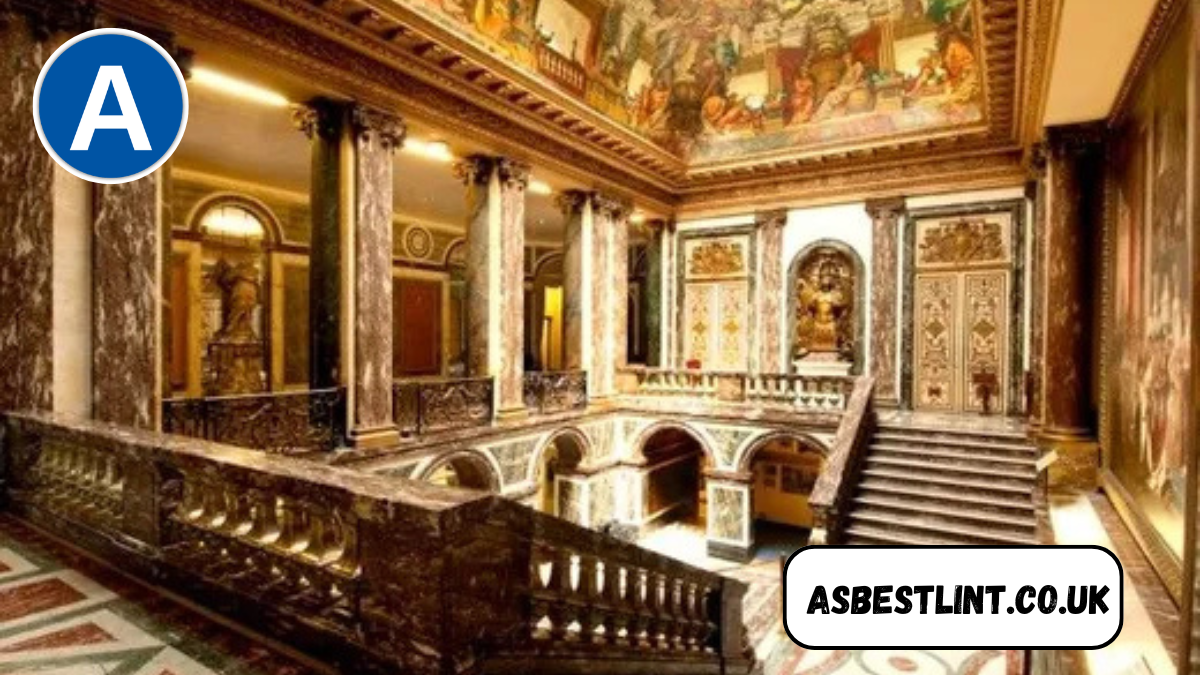
Paignton Oldway Mansion is celebrated for its extraordinary architectural design. The mansion was primarily designed by George Soudon Bridgman with input from theatre architect Frank Matcham, blending Victorian sensibilities with French Baroque opulence. The grand marble staircase, ornate plasterwork, and expansive halls showcase the luxury and craftsmanship of the era. Paris Singer’s ambition to replicate Versailles within Devon is evident in every detail, from the gilded accents to the carefully curated layout of rooms.
The mansion’s exterior is equally impressive, with terraced lawns, classical sculptures, and decorative fountains creating a regal atmosphere. Paignton Oldway Mansion’s combination of Victorian grandeur and French-inspired elegance sets it apart from other historic estates in the region. Even in its partially restored state, the mansion remains an architectural marvel, drawing photographers, historians, and visitors keen to explore a piece of Devon’s heritage.
Gardens of Paignton Oldway Mansion
The gardens of Paignton Oldway Mansion are a major attraction for visitors. Spanning 17 acres, the grounds were designed in an Italian-style layout by the French landscape gardener Achille Duchesne. Visitors can wander along winding pathways, explore ornate ponds, and enjoy a variety of flowerbeds and shrubs that change with the seasons. The gardens provide a serene escape, offering scenic views and quiet corners perfect for reflection or photography.
Seasonal highlights add to the gardens’ appeal. In spring, vibrant blooms fill the terraces, while autumn brings a tapestry of golden and red foliage. Volunteers play a vital role in maintaining the gardens, ensuring that Paignton Oldway Mansion continues to delight visitors year-round. The tea rooms, seating areas, and accessible pathways further enhance the experience, making it a welcoming destination for families, history enthusiasts, and casual tourists alike.
Restoration and Future of Paignton Oldway Mansion
Paignton Oldway Mansion is currently undergoing an extensive restoration to preserve its historical and architectural integrity. Torbay Council has secured significant funding to repair structural issues, restore the roof, and ensure the long-term preservation of this iconic estate. Phase one of the restoration is expected to be completed by 2027, marking a major milestone in returning the mansion to its former glory.
Community involvement plays a crucial role in the mansion’s restoration. The “Friends of Oldway” volunteer group contributes through fundraising, gardening, and promoting awareness about the mansion’s heritage. These efforts reflect the local community’s dedication to preserving Paignton Oldway Mansion as both a historical treasure and a visitor attraction. Once fully restored, the mansion will provide an even richer cultural and educational experience for residents and tourists.
Visiting Paignton Oldway Mansion
Visiting Paignton Oldway Mansion is an immersive experience, combining history, architecture, and nature. While the interior remains closed during restoration, the gardens and grounds are open to the public free of charge. Visitors can explore terraces, ponds, and walking paths while taking in the estate’s historical features. Informative signage and occasional guided tours help visitors understand the mansion’s fascinating past and architectural significance.
Accessibility is straightforward, with parking and public transport options available in Paignton. The surrounding area of the English Riviera offers additional attractions, making a visit to Paignton Oldway Mansion part of a broader day out. Seasonal events, photography opportunities, and family-friendly pathways ensure that every visit is enjoyable. Planning ahead enhances the experience, allowing visitors to fully appreciate the estate’s charm and history.
Conclusion
Paignton Oldway Mansion stands as one of Devon’s most significant heritage sites, blending historical richness, architectural elegance, and natural beauty. From its origins as the Singer family estate to its current restoration, the mansion offers a unique insight into Victorian wealth and European influence. Its gardens, design, and historical significance make it a must-visit destination, promising a memorable experience for locals and tourists alike.
FAQs
Who built Paignton Oldway Mansion and when?
Isaac Singer, the sewing machine inventor, built it in 1875.
Is Paignton Oldway Mansion open to the public?
The gardens are open, but the mansion interior is closed due to restoration.
What style is Paignton Oldway Mansion designed in?
It is designed in French Baroque style, inspired by the Palace of Versailles.
How large are the gardens at Paignton Oldway Mansion?
The gardens cover approximately 17 acres of landscaped grounds.
Are there seasonal events at Paignton Oldway Mansion?
Yes, the estate hosts seasonal events and community activities throughout the year.
What restoration work is currently being done at Paignton Oldway Mansion?
Repairs include roof restoration, masonry work, and structural preservation.
Can visitors access the interior during restoration?
No, interior access is currently restricted for safety and restoration purposes.
Is parking or public transport available to reach Paignton Oldway Mansion?
Yes, there is parking nearby and it is accessible by public transport.
Why is Paignton Oldway Mansion historically important?
It is a Grade II* listed estate with architectural and cultural significance in Devon.
How can volunteers get involved with Paignton Oldway Mansion’s gardens?
Volunteers can help with gardening, fundraising, and supporting community events.
Also Read: 10 brock street