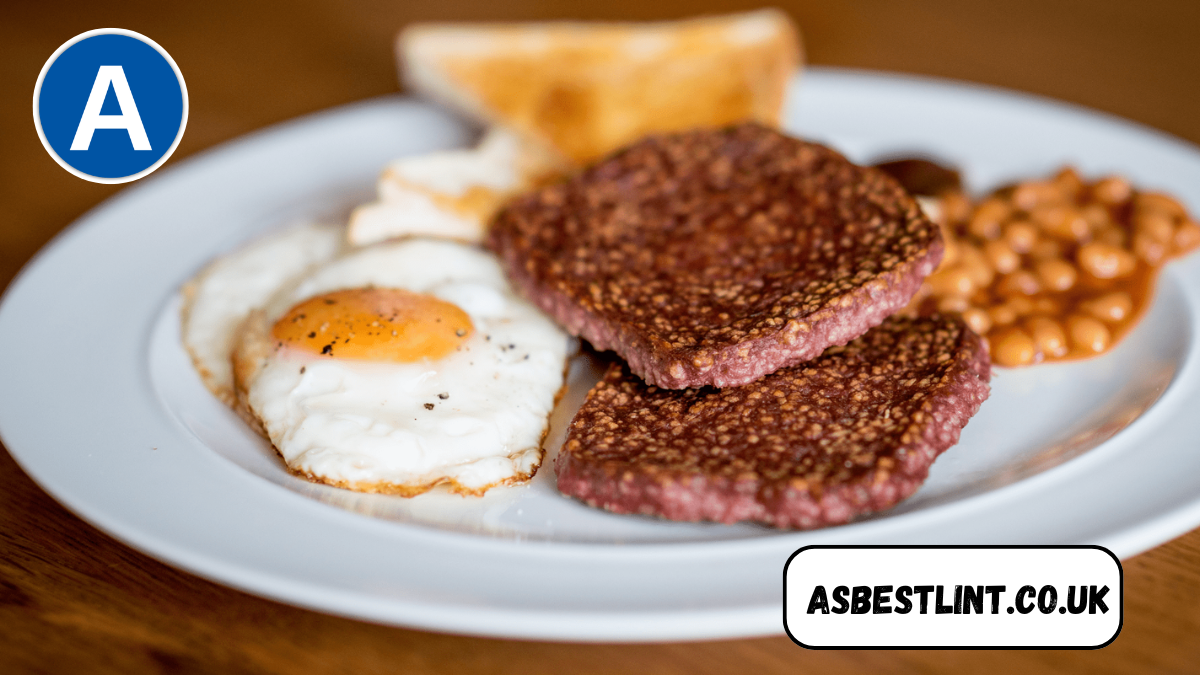
Lorne square sausage holds a special place in the heart of Scottish cuisine, recognised instantly by its distinctive square shape and rich, savoury flavour. Unlike traditional sausages that are encased and linked, this variety is pressed into a loaf tin, chilled until firm, and sliced into neat portions before cooking. Its unique appearance is matched by a satisfying texture that is both hearty and tender.
Across Scotland, lorne square sausage is far more than a simple breakfast item. It represents comfort, heritage, and the enduring appeal of traditional butchery methods. Whether served in a soft morning roll with brown sauce or plated alongside a full cooked breakfast, it delivers a depth of flavour that feels both nostalgic and timeless. For many families, preparing a homemade lorne square sausage recipe is a cherished culinary ritual.
The History and Scottish Roots of Lorne Square Sausage
The story of lorne square sausage stretches back to nineteenth-century Scotland, where regional butchers developed practical and economical ways to prepare minced meat. The name is widely believed to derive from the region of Lorne in Argyll, although its popularity quickly spread well beyond that area. Advertisements for square sausage appeared in the late 1800s, confirming its long-standing presence in Scottish food culture.
Its shape was not simply a novelty but a clever innovation. By shaping the seasoned meat into a block rather than stuffing it into casings, butchers could create evenly sized slices that were easy to cook and serve. Over time, this method became synonymous with the authentic lorne square sausage recipe, distinguishing it clearly from other British sausage varieties.
Ingredients That Define an Authentic Lorne Square Sausage Recipe
A traditional lorne square sausage recipe relies on a careful balance of minced meat, seasoning, and binding ingredients. Many classic versions combine minced beef and pork, often in equal proportions, to achieve a robust yet rounded flavour. The inclusion of rusk or fine breadcrumbs ensures the mixture binds together firmly while retaining a tender bite once cooked.
Seasoning plays an equally important role in creating the unmistakable taste. Salt and freshly ground black pepper provide the base, while spices such as coriander, nutmeg, and mace contribute subtle warmth and complexity. The fat content is particularly important, as it keeps the slices moist and enhances the rich, savoury character that defines quality lorne square sausage.
How to Prepare Lorne Square Sausage at Home
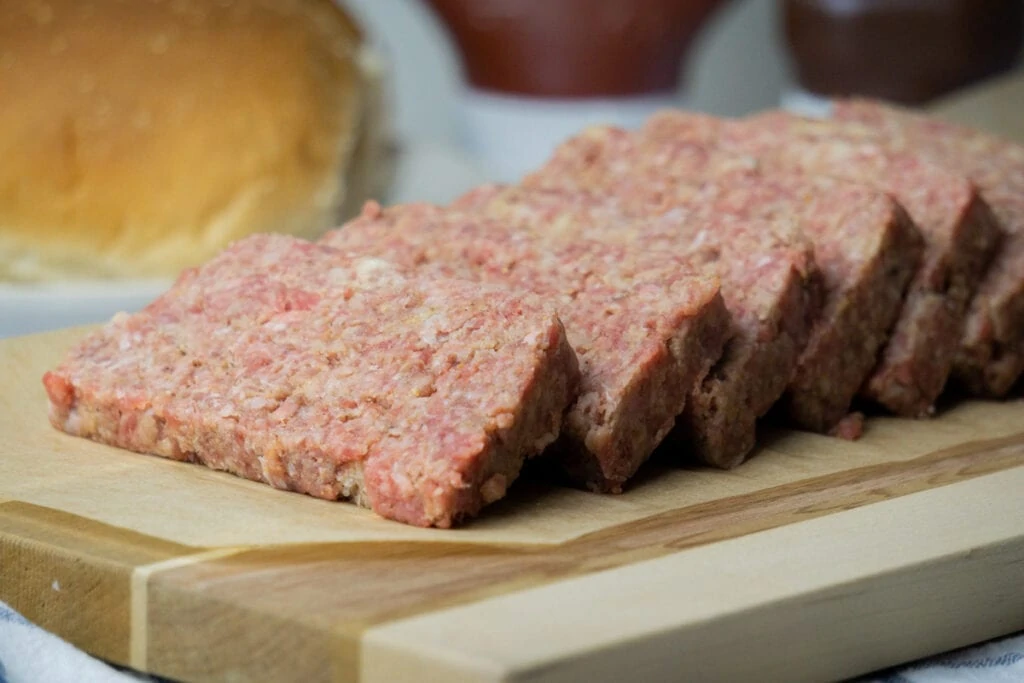
Making lorne square sausage at home is a rewarding process that requires only a handful of tools and fresh ingredients. A large mixing bowl is essential for combining the minced meat with rusk and spices, ensuring everything is evenly distributed. The mixture must be blended thoroughly but not overworked, as excessive mixing can affect the final texture.
Once combined, the seasoned meat is pressed firmly into a lined loaf tin, eliminating air pockets and creating a dense, uniform block. Chilling the mixture in the refrigerator for several hours allows it to set properly, making it easier to slice neatly. This crucial step ensures that each portion of lorne square sausage holds its shape during cooking and develops a crisp exterior.
Cooking Methods and Achieving the Perfect Texture
Cooking lorne square sausage is straightforward, yet attention to detail makes all the difference. Pan-frying is the most traditional method, using a heavy-based frying pan over medium heat. Each slice should be cooked for several minutes on both sides until it develops a golden-brown crust. The absence of casing allows the edges to caramelise beautifully, adding extra flavour and texture.
Grilling is another effective option, particularly when preparing multiple slices at once. Regardless of the method chosen, it is important not to rush the process. Gentle, even heat allows the interior to cook thoroughly while maintaining juiciness. A well-prepared lorne square sausage should be crisp on the outside, tender in the centre, and full of savoury depth.
Serving Suggestions and Culinary Versatility
Traditionally, lorne square sausage is served as part of a full Scottish breakfast, accompanied by eggs, bacon, black pudding, baked beans, and tattie scones. Its square shape allows it to sit neatly on the plate, creating a balanced and satisfying meal. The combination of textures and flavours makes it a highlight of the morning feast.
Another classic serving method involves placing a freshly cooked slice inside a buttered morning roll, often topped with brown sauce. Beyond breakfast, it can be diced into stovies, added to savoury pies, or incorporated into creative brunch dishes. The adaptability of lorne square sausage ensures it remains relevant in both traditional and modern kitchens.
Nutritional Value and Practical Considerations
The nutritional profile of lorne square sausage depends largely on the meat blend and fat ratio used in preparation. A typical slice provides a good source of protein along with a moderate amount of fat, contributing to its satisfying nature. While it is undeniably indulgent, it can be enjoyed as part of a balanced diet when consumed in moderation.
For those with specific dietary requirements, adaptations are possible. Gluten-free breadcrumbs can replace traditional rusk, and leaner cuts of meat can be used to reduce fat content. However, maintaining some fat is essential for preserving the authentic texture and flavour that make the classic lorne square sausage recipe so appealing.
Tips for the Best Homemade Lorne Square Sausage
To achieve the best results, always use high-quality minced meat with an appropriate fat percentage. Meat that is too lean may result in a dry texture, while insufficient chilling time can cause the slices to crumble during cooking. Pressing the mixture firmly into the loaf tin is also vital for creating a compact, sliceable block.
Allowing the sausage to rest after cooking can further enhance flavour and texture. This brief pause enables the juices to redistribute, ensuring each bite remains moist and satisfying. With patience and attention to detail, homemade lorne square sausage can rival the quality found in traditional Scottish butcher shops.
Conclusion
Lorne square sausage stands as a proud symbol of Scottish culinary heritage, celebrated for its distinctive shape, rich seasoning, and comforting appeal. Its simple preparation method reflects a tradition rooted in practicality and flavour, passed down through generations. From its historical origins to its continued popularity today, it remains a staple of the Scottish breakfast table.
By following an authentic lorne square sausage recipe, home cooks can recreate this classic slice with confidence. With the right ingredients, careful seasoning, and proper preparation, the result is a delicious and satisfying dish that honours Scotland’s enduring food traditions while bringing warmth and character to any meal.
FAQs
What is lorne square sausage made of?
Lorne square sausage is mainly made from minced beef or a beef-pork mix, combined with rusk or breadcrumbs and traditional Scottish spices.
Why is it called lorne square sausage?
It is believed to be named after the Lorne region in Scotland where this style of sausage first became popular.
Is lorne square sausage healthy?
It is a high-protein breakfast food but should be eaten in moderation due to its fat content.
Can I freeze lorne square sausage?
Yes, both uncooked blocks and cooked slices can be frozen for later use.
How do you cook lorne square sausage?
Cook slices in a frying pan or grill over medium heat until golden brown on both sides.
What is the difference between lorne square sausage and normal sausage?
Lorne square sausage is not cased and is sliced from a pressed meat block.
Can I make lorne square sausage at home?
Yes, using minced meat, seasoning, breadcrumbs, and proper chilling technique.
What is the best way to eat lorne square sausage?
It is commonly enjoyed in a Scottish breakfast roll or as part of a full breakfast.
Also Read: barbara mills kc