Ukrainian number plates are more than just a legal requirement for vehicles; they are a window into the country’s administrative organisation and transport system. Easily recognisable by the blue and yellow strip on the left featuring “UA,” these plates are designed to meet international standards, making them legible and standardised for both local and foreign drivers. Understanding them provides essential knowledge for anyone driving in or visiting Ukraine.
These plates are carefully structured to convey information at a glance. Each Ukrainian number plate includes letters, numbers, and codes that indicate the region of registration, the series, and in some cases, the vehicle type. Over the years, the design has evolved, reflecting historical changes, technological advancement, and Ukraine’s commitment to international road traffic regulations, ensuring that vehicles are identifiable anywhere in Europe.
History of Ukrainian number plates
The history of Ukrainian number plates begins during the Soviet era when vehicles displayed black plates with white letters. These plates were simple but limited in the information they could provide. After Ukraine gained independence in 1991, the system underwent significant changes to modernise vehicle identification and distinguish Ukrainian cars from those of neighbouring countries.
Between 1995 and 2004, plates adopted white backgrounds with black lettering, and regional codes became more standardised. Special plates for government and diplomatic vehicles were also introduced. The modern system, established in 2015, added the blue and yellow UA strip, fully compliant with the Vienna Convention, and designed to be instantly recognisable internationally. Ukrainian number plates now reflect both heritage and contemporary needs.
Structure and format of Ukrainian number plates
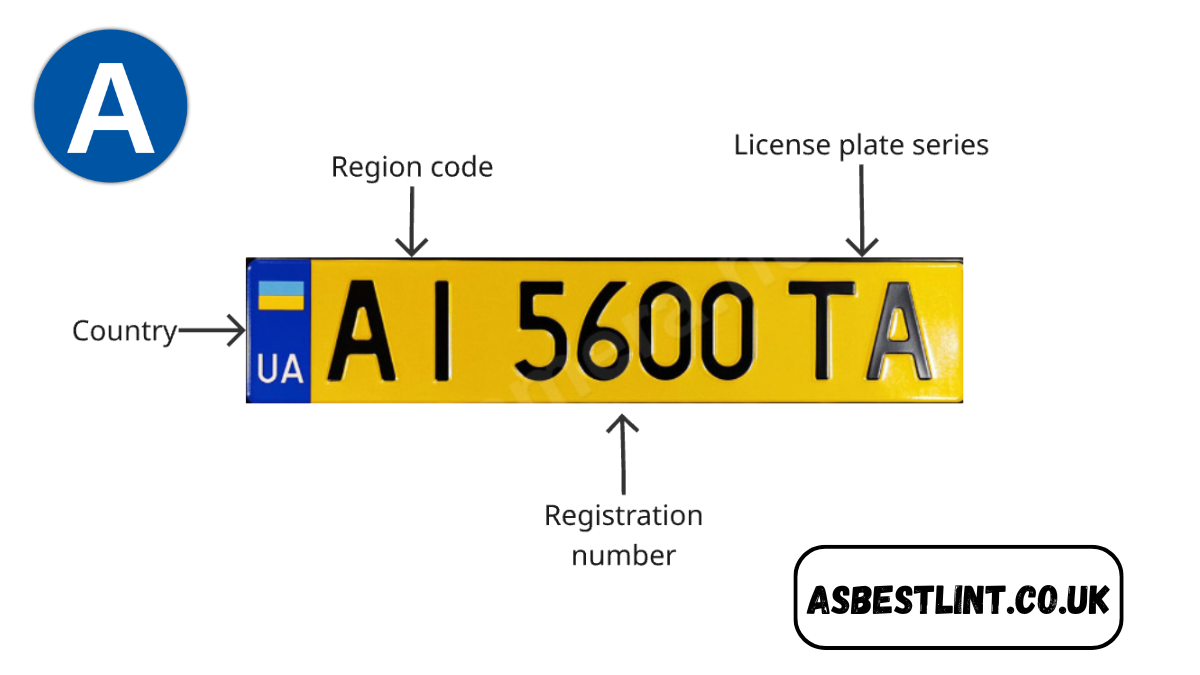
Ukrainian number plates follow a structured format designed for clarity and uniformity. The most common format consists of two letters, four numbers, and two letters, displayed as XX 0000 XX. This layout allows authorities and observers to identify the vehicle’s registration sequence, the issuing region, and the type of plate with ease. The standardisation of format ensures quick identification during traffic inspections or cross-border travel.
Only twelve Cyrillic letters that resemble Latin characters are permitted on Ukrainian number plates: A, B, E, I, K, M, H, O, P, C, T, X. This limitation ensures clarity for international travellers and avoids confusion with letters that may not be recognisable outside Ukraine. Understanding this structure is crucial for anyone interpreting Ukrainian number plates, whether for personal interest or legal purposes.
Ukrainian number plates codes
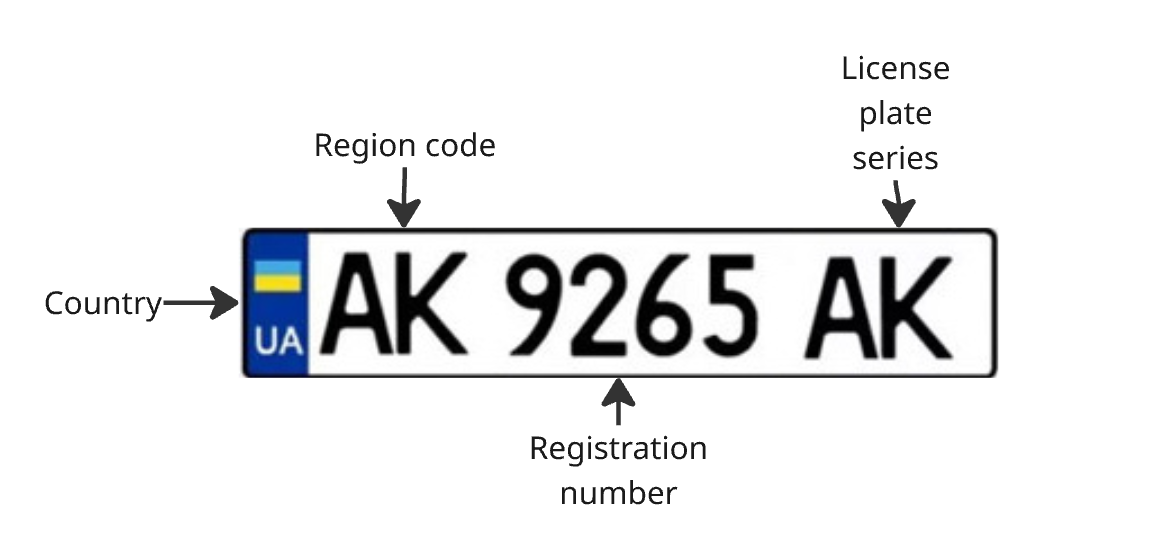
Each Ukrainian number plate begins with a regional code, making it easy to identify the oblast or city where the vehicle is registered. For example, AA represents Kyiv, AC corresponds to Volyn, and AH indicates Donetsk. These codes are vital for both authorities and ordinary citizens to determine vehicle origins, especially in large cities or border areas.
In addition to regional codes, special codes exist for diplomatic and government vehicles. Diplomatic plates typically start with the letters “D” or “CD,” followed by numbers unique to the embassy or international organisation. Ukrainian number plates codes offer a comprehensive system that ensures clarity, traceability, and effective vehicle management throughout the country, reinforcing both safety and administrative efficiency.
Types of Ukrainian number plates
Ukrainian number plates come in multiple types depending on vehicle usage and category. Civilian plates generally have a white background with black letters and numbers, forming the majority of plates seen on the road. Electric vehicles often feature green letters or backgrounds, making them instantly recognisable and highlighting Ukraine’s push for sustainable transport.
Other types include plates for public transport and trailers, which follow unique formats and sometimes include special suffixes. Diplomatic plates use a red background with white lettering, while military and government vehicles have additional colour variations to indicate their official status. Custom or vanity plates are also allowed, permitting personalised letters or phrases within government-approved parameters. Each type serves a specific purpose, ensuring Ukrainian number plates are both functional and informative.
Legal requirements and compliance for Ukrainian number plates
Ukrainian number plates comply fully with international road traffic standards, including the Vienna Convention. Vehicles are legally required to display properly formatted plates at all times, and failure to do so can result in fines or legal consequences. Plates must be clean, unobstructed, and clearly visible to ensure road safety and proper identification by law enforcement.
Custom plates must adhere to strict regulations regarding permitted letters, formats, and sizes. Renewal and replacement processes are standardised across the country, ensuring that Ukrainian number plates remain current and accurate. This legal framework helps maintain order, provides clarity for vehicle owners, and ensures that Ukraine’s transport system operates efficiently and safely.
How to read and interpret Ukrainian number plates
Decoding Ukrainian number plates is straightforward once the structure and codes are understood. The first two letters indicate the region, numbers reflect the registration series, and the final letters identify the plate sequence. Special coloured backgrounds indicate specific vehicle types such as electric, diplomatic, or government vehicles, providing additional information at a glance.
Understanding Ukrainian number plates allows drivers and travellers to quickly identify the origin and type of a vehicle. This knowledge is particularly useful for law enforcement, car enthusiasts, and anyone interested in Ukraine’s transport system. Recognising the codes, types, and formats ensures accurate interpretation, whether for travel, inspection, or academic interest.
Conclusion
Ukrainian number plates are a vital component of the country’s vehicle identification system. They combine historical evolution, modern design, and legal compliance to provide clear, recognisable, and informative plates for every vehicle type. From civilian cars to diplomatic vehicles, each plate communicates essential information at a glance.
Learning about Ukrainian number plates offers practical benefits for drivers, travellers, and enthusiasts alike. By understanding their structure, codes, and types, anyone can navigate Ukraine’s roads with confidence. These plates not only serve administrative and safety purposes but also reflect the country’s rich history and commitment to modern standards.
FAQs
What do Ukrainian number plates look like?
Ukrainian number plates have a white background, black letters, and a blue-yellow UA strip.
How do I read the regional codes on a Ukrainian plate?
The first two letters indicate the oblast or city of registration.
Are there special plates for electric cars in Ukraine?
Yes, electric vehicles feature green letters or backgrounds.
Can I get a custom or vanity plate in Ukraine?
Personalised plates are allowed within government-approved guidelines.
What is the difference between diplomatic and civilian plates?
Diplomatic plates are red with white letters, civilian plates are white with black letters.
Do Ukrainian number plates comply with international regulations?
Yes, they follow the Vienna Convention on Road Traffic.
How often are Ukrainian number plates updated?
Plates are updated periodically to reflect design, region, or vehicle type changes.
Also Read: Asbestlint